What Tamoxifen Actually Feels Like (so far)
I’m going to be honest with you here, endocrine (hormone) therapy was the part of this whole process that terrified me the most. I think because the list of possible side effects is long and scary, AND this stage of treatment lasts a minimum of 5 years, I was so worried that I would feel like absolute garbage for that entire time.
My tamoxifen journey so far (3 months in at this point) has had it’s ups and downs but I found that the side effects have come in waves.
Wave 1 - the beginning of hot flashes and night sweats. This one was quick and started day 3. My first hot flash was unreal. I had to strip down and lay on the cold bathroom floor drenched in sweat. I am happy to say that level of intensity hasn’t happened again. The night sweats continue but are mostly manageable and day time hot flashes are few and far between.
Wave 2 - fatigue, constipation, weird cycles. A week to two weeks in the fatigue settled in. I thought I was tired when I had 4 kids under 6. I was not. this tam tired was unreal. We all know the best way to deal with fatigue is to move more but it felt impossible. I tried my best but napped a lot. My ‘cycle’ also sort of happened around this time. I am still tracking to see what’s what but my cycle was due and it… maybe arrived? a few days of brown spotting were it. 45 days later, the same thing happened. Will I go back to a normal cycle? Who knows. Last on this wave, constipation. Gross. My oncology nurses suggested to forgo the Metamucil and use Restoralax instead. It definitely helped! In general, I’ve upped my fibre intake and focusing on whole foods plus a ton of water and that symptom has, thankfully, disappeared.
Wave 3 - mood changes and depression. This was by far the most intense symptom for me, starting about 4 weeks after I started on tam. It affected every facet of my life. It was hard to get out of bed, hard to engage in activities, hard to talk to people, hard to care. I absolutely do not believe in suffering unnecessarily so I asked my oncology team for an anti-depressant. When that finally kicked in, it was a night and day difference. I’m happy to report I like people again and am happy to get up and do things.
Wave 4 - I’m currently here dealing with sleep issues. My naturopath who works in integrative oncology has suggested a combo of magnesium bisglycinate and low dose melatonin to help. Fingers crossed!
My hope is that my body will settle into a new normal because right now, I don’t feel great. As I am more intentional about supporting myself through this, I am confident I will feel better.
No One Warns You About This Part of Cancer Recovery
You’ve finished treatment, the check-ins from friends and family start to trickle off, you’re anxious to get back to your life without cancer hanging around… what no one told you about this part.
While active treatment is often filled with the noise of appointments (so, so many appointments), tests and results, recovery is eerily quiet and still. Sure, you have to take your meds every day but that quickly becomes just part of the day to day but the chaos surrounding treatments is done and, while there is a bit of peace in the stillness, it’s also unnerving. Spending months (or years) in active treatment conditions your brain and body to be in fight mode. You’re powering through and then suddenly… nothing.
I tried to dive straight into the ‘before’ and quickly learned that it’s just not possible. So, instead, I’ve foond some new slower activities to do to quiet my mind and body. This blog in one of those things but I’ve also found a new joy in walking (without music!) and paying more attention to the things around me. It sounds silly but I’ve learned to appreciate the quiet moments after the months of chaos.
Possibly the most jarring thing about recovery that I wasn’t prepared for was the loneliness. When you’re in active treatment, it’s visible. Friends and family know that you’re doing surgery, radiation, chemo. They can sometimes see the evidence of that and they’re worried. When active treatment ends and the physical scars of treatments have faded and you’re proclaimed in remission, concern wans and you’re “ok”.
For you though, there is still a lot of turmoil. Endocrine (hormone) therapy is no joke and the unseen side effects of that can be devastating. For me personally the affect of tamoxifen on my moods turned me into a shell of my former self and I struggle through that a lot of days. The check-ins have stopped and it feels incredibly lonely to still be carrying the burden of cancer (which I don’t think ever truly leaves you).
So, do you carry on and put on the mask of “ok”? Are you open about how shitty you feel? Something in-between?
If no one told you, cancer recovery can be a lonely, silent, sometimes scary space.
I Finished Treatment… So Why Don’t I Feel Better?
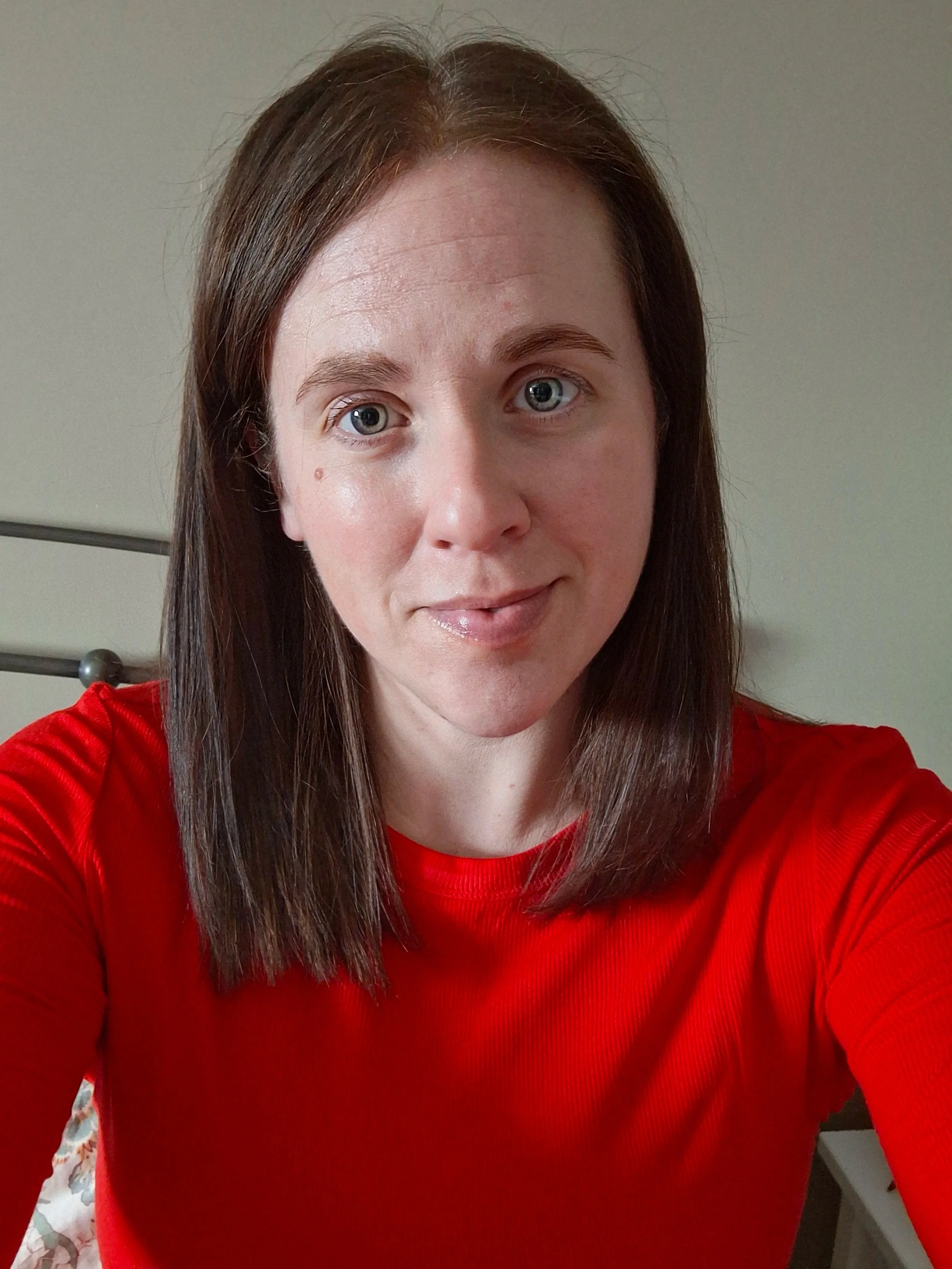
*pictured - a couple of weeks before diagnosis
When I was diagnosed with cancer the first thing I though, obviously, is "is this going to kill me?" The second thing I thought was, "how can I make it through treatment?"
At that time my treatment plan hadn't been laid out yet and there were so many different scenarios running through my mind. After more tests and countless appointments I was told that, barring nay additional findings at surgery, my treatment plan would be: surgery, radiation, endocrine therapy.
Seems simple. I looked to that day of finishing radiation like it was the finish line. I knew endocrine therapy was the long haul so I didn't even consider it in the treatment plan (how wrong I was). I fully expected to finish radiation, have a couple of weeks and feeling tired, maybe some skin issues, and then be back to normal.
I tried to jump back into my regular activities (I was an avid spinner at that point) and pushed through the tired feelings to get my exercise in because IT WAS SUPPOSED TO BE GOOD FOR ME. However, the opposite seemed to be true. The more I pushed, the worse I felt. A spin class would lay me out for a couple of days. After talking to my therapist and oncology, they both suggested that maybe I should hit pause on spin because my body was telling me that it was too much.
After I stopped spinning, I was hopeful that my energy would slowly return. Maybe it is, but I still need a nap every day and drag myself out of bed every morning. Honouring what your body needs when it is the complete opposite of what you want is really hard. But, pushing through isn't the answer right now.
Along with the shift from my usual active self came the emotional turmoil of recognizing that I am not the same person I was before my diagnosis and maybe the things I was doing physically also need to change.
I still haven't really found the right words to describe the identify shift I feel. On the outside, I look the same, with the addition on a few scars. On the inside, I am very much not the same.
So, treatment is done and I don't feel better. I feel like I'm at a point of rediscovering who I am as a person, who my trusted circle is, what brings me joy, and how I want to exist in the world.